
- Address El-Harrach, Algiers Province, Algeria
- Timeing 3 - 7 November 2025
Dr. Maher Al Rwahnih - The 14th Arab Congress of Plant Protection
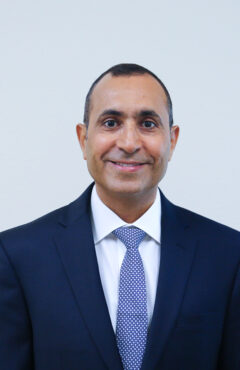
Dr. Maher Al Rwahnih
University of California at Davis, USA.- Speciality:
- Address: USA
- Email: [email protected]
- Phone: 530-574-5463
Maher Al Rwahnih received his Bachelor of Science degree in Plant Protection in 1994, from the University of Jordan in Amman. He developed an interest in plant virology, and earned a Master’s Degree on that topic at the International Center for Advanced Mediterranean Agronomic Studies in Bari, Italy. After receiving his PhD in Plant Virology in 2004 from the University of Bari, Italy, Dr. Al Rwahnih joined the Foundation Plant Services (FPS) division of the Department of Plant Pathology at the University of California, Davis (UCD).
He is currently a lecturer in the Plant Pathology Department and Director of FPS, the largest clean plant center in the US. FPS is committed to maintaining and distributing elite disease-tested plant propagation material, and providing plant importation, quarantine, and virus elimination services, all of which rely on sensitive and effective screening for viral pathogens. Dr. Al Rwahnih’s ongoing research focuses on the discovery, ecology, genetic diversity, and pathogenicity of viral and other infectious diseases of annual and perennial plants. His primary research goal is developing improved and more cost-effective diagnostic tools for the detection and analysis of plant viruses. Dr Al Rwahnih is a pioneer in the application of high throughput sequencing (HTS) and bioinformatics to the characterization of plant viruses.
Working closely with regulators at United States Department of Agriculture Animal and Plant Health Inspection Service and California Department of Food and Agriculture (CDFA), he was instrumental in the acceptance HTS as a diagnostic tool for quarantine and certification of Prunus, grape, and rose materials. Research conducted by Dr. Al Rwahnih has resulted in over 140 publications, and policy development and change at US and international organizations for plant protection. Dr. Al Rwahnih is active in CDFA and Certification program, and in the US National Plant Diagnostic Network (NCPN). Dr. Al Rwahnih’s research has been published in top journals and has led to his growing reputation as an expert in virus diseases of woody plants, and in clean-stock programs.
Don’t miss our future updates!